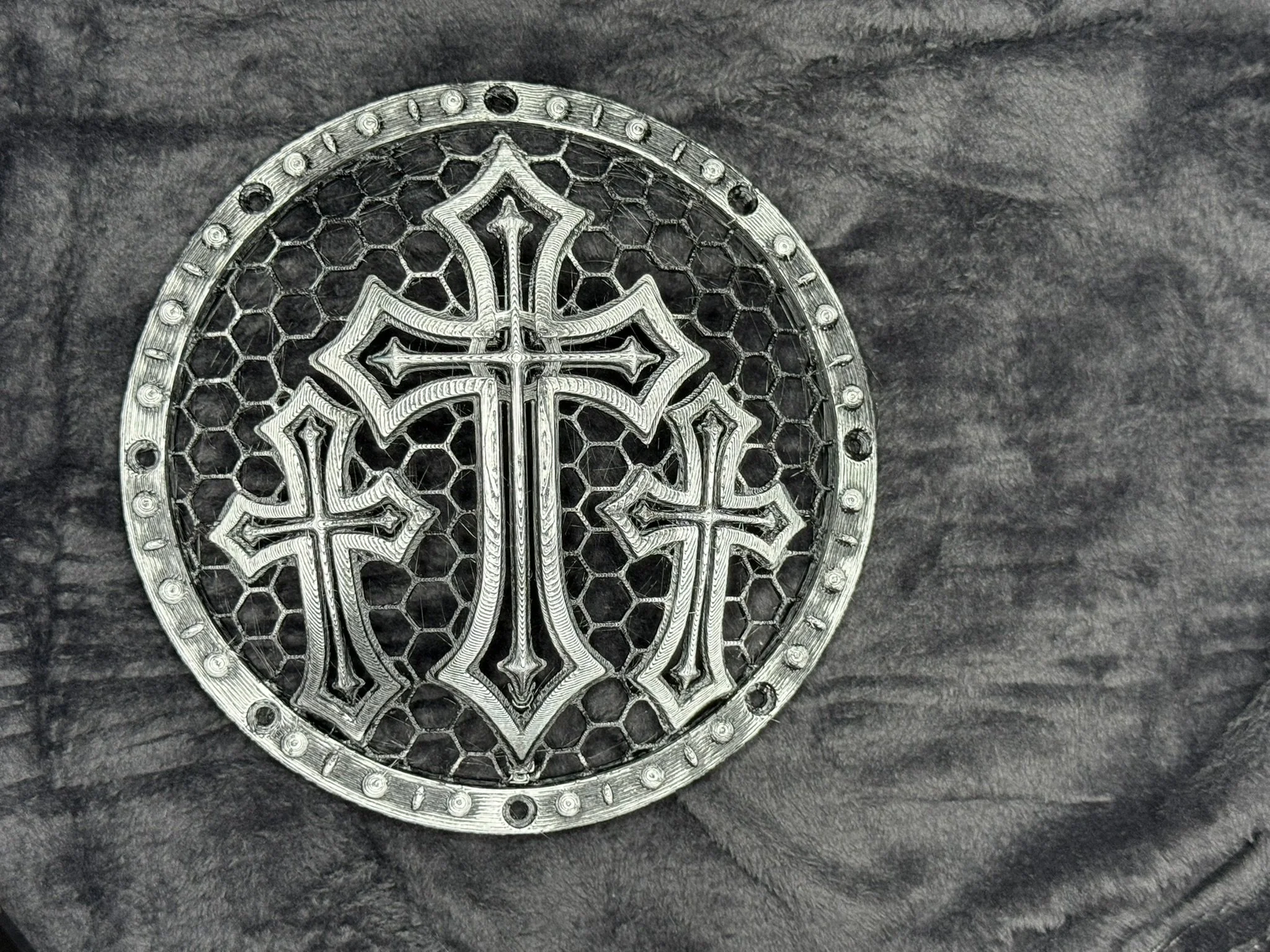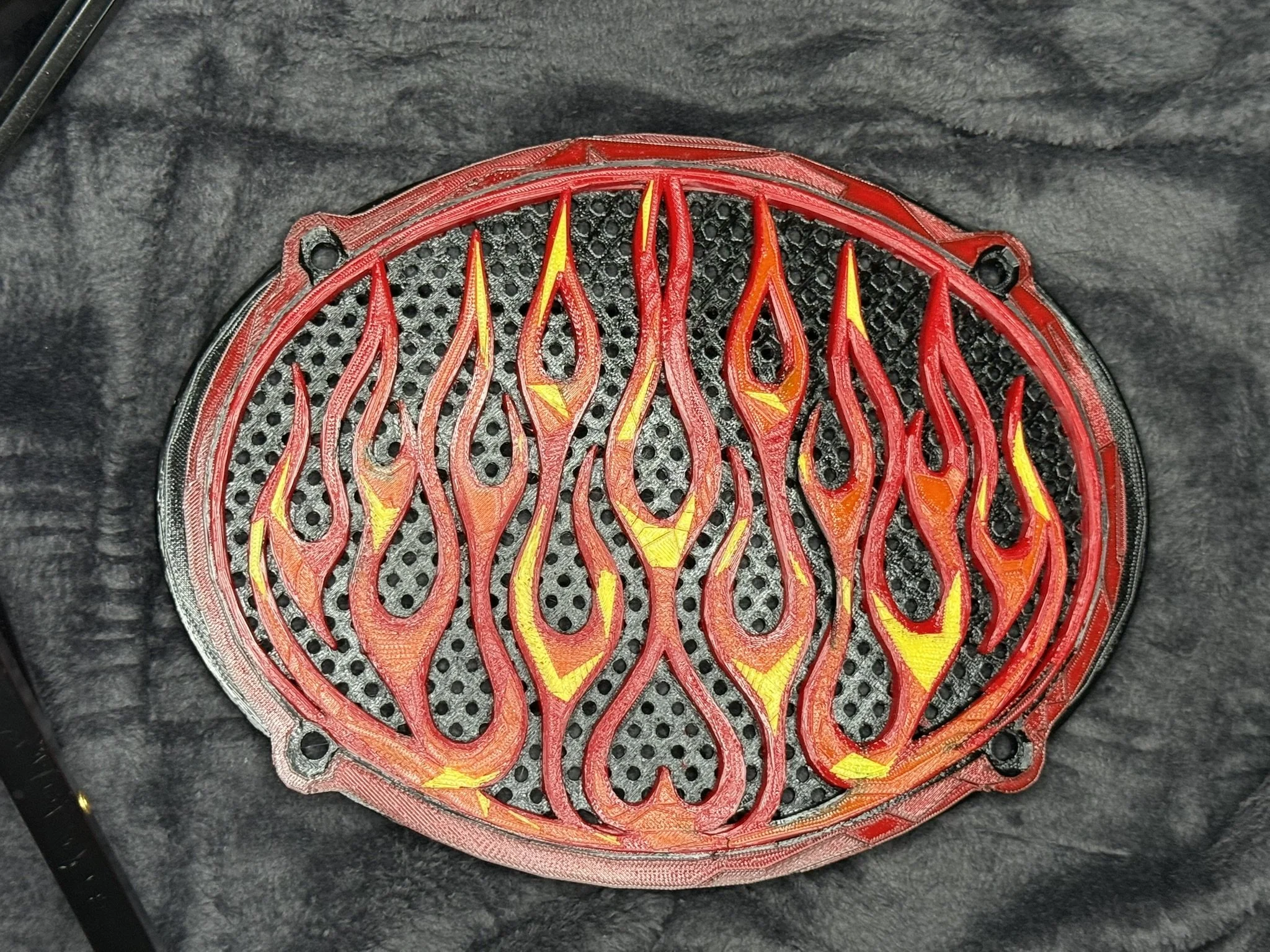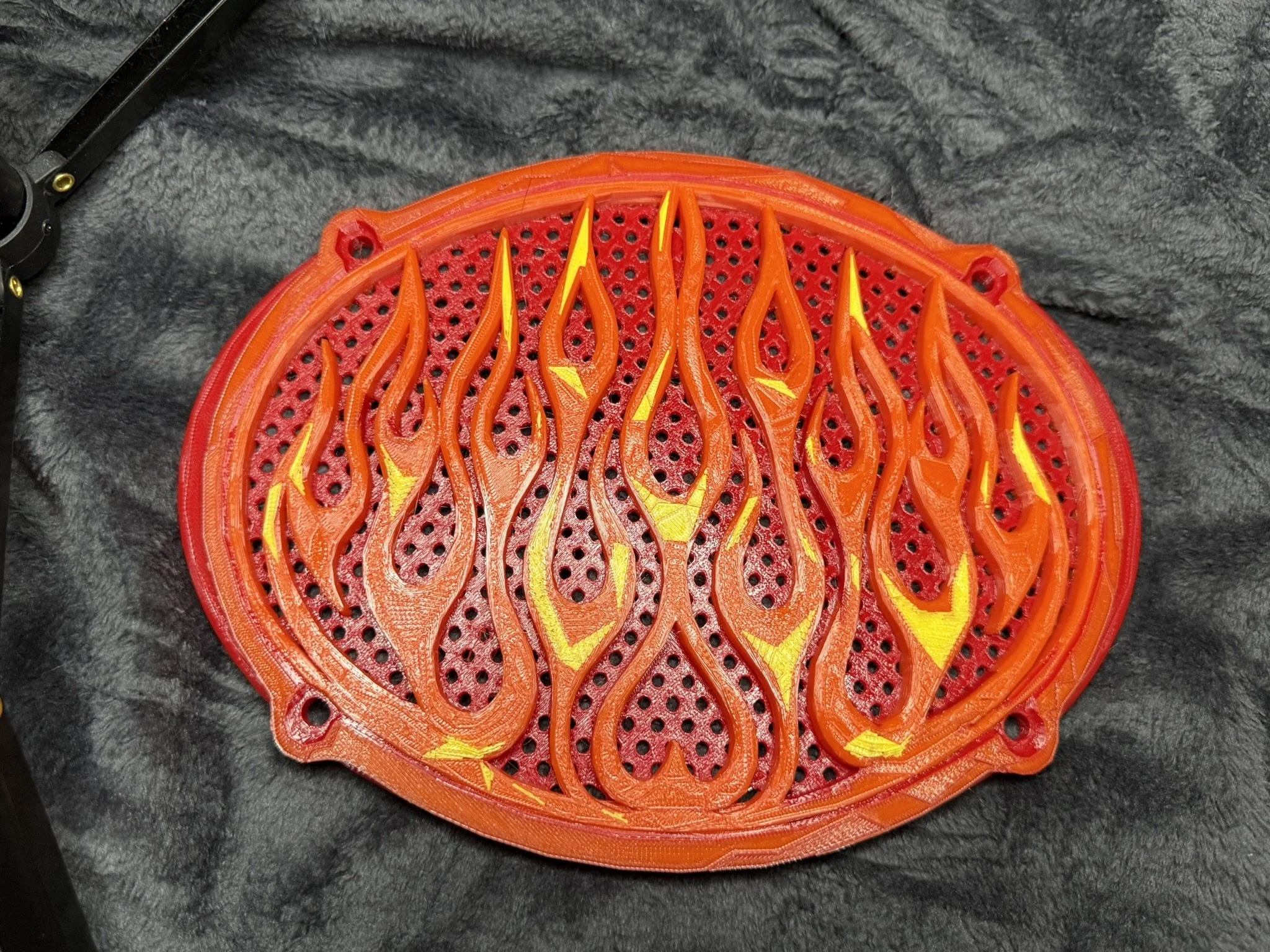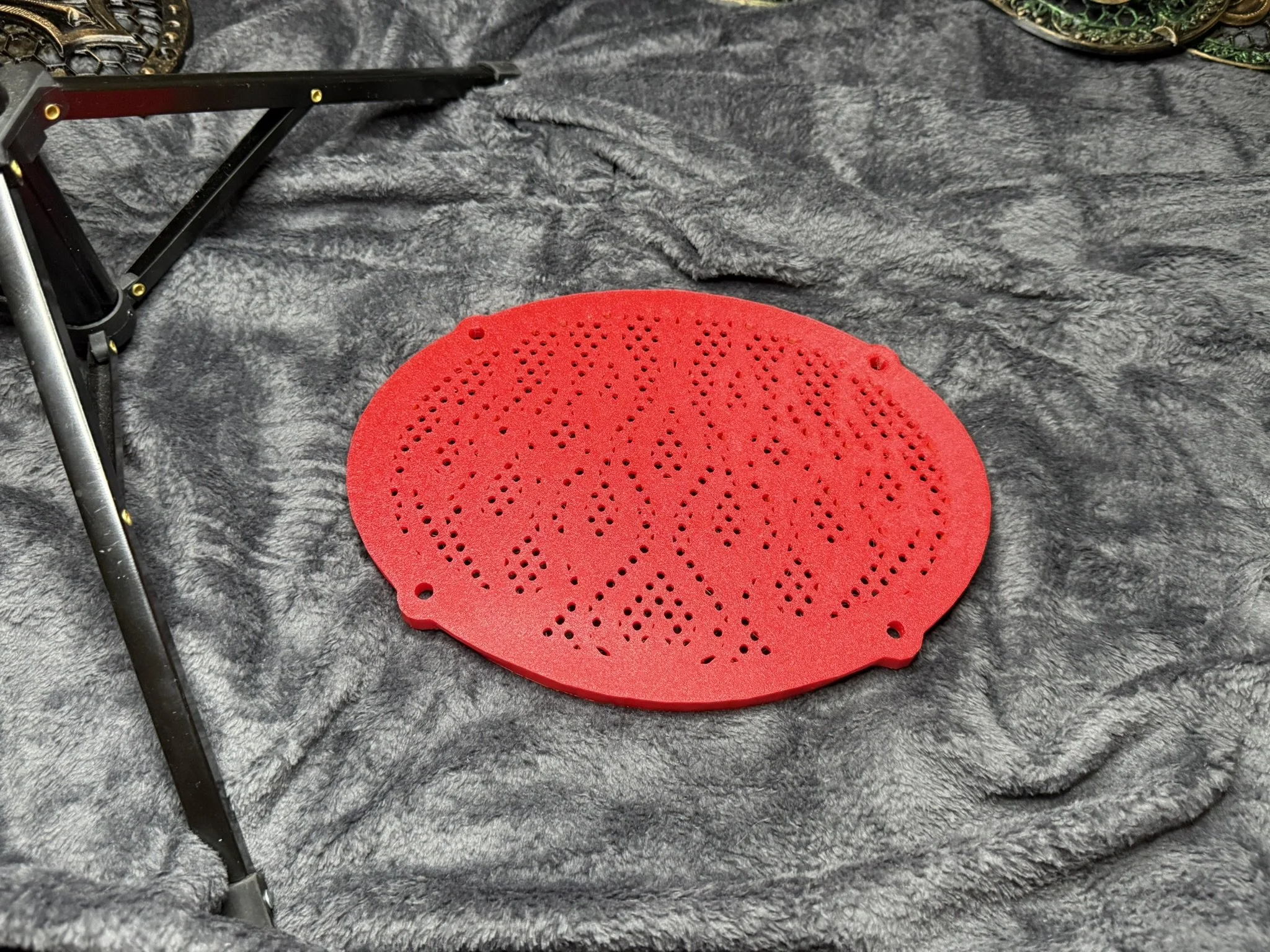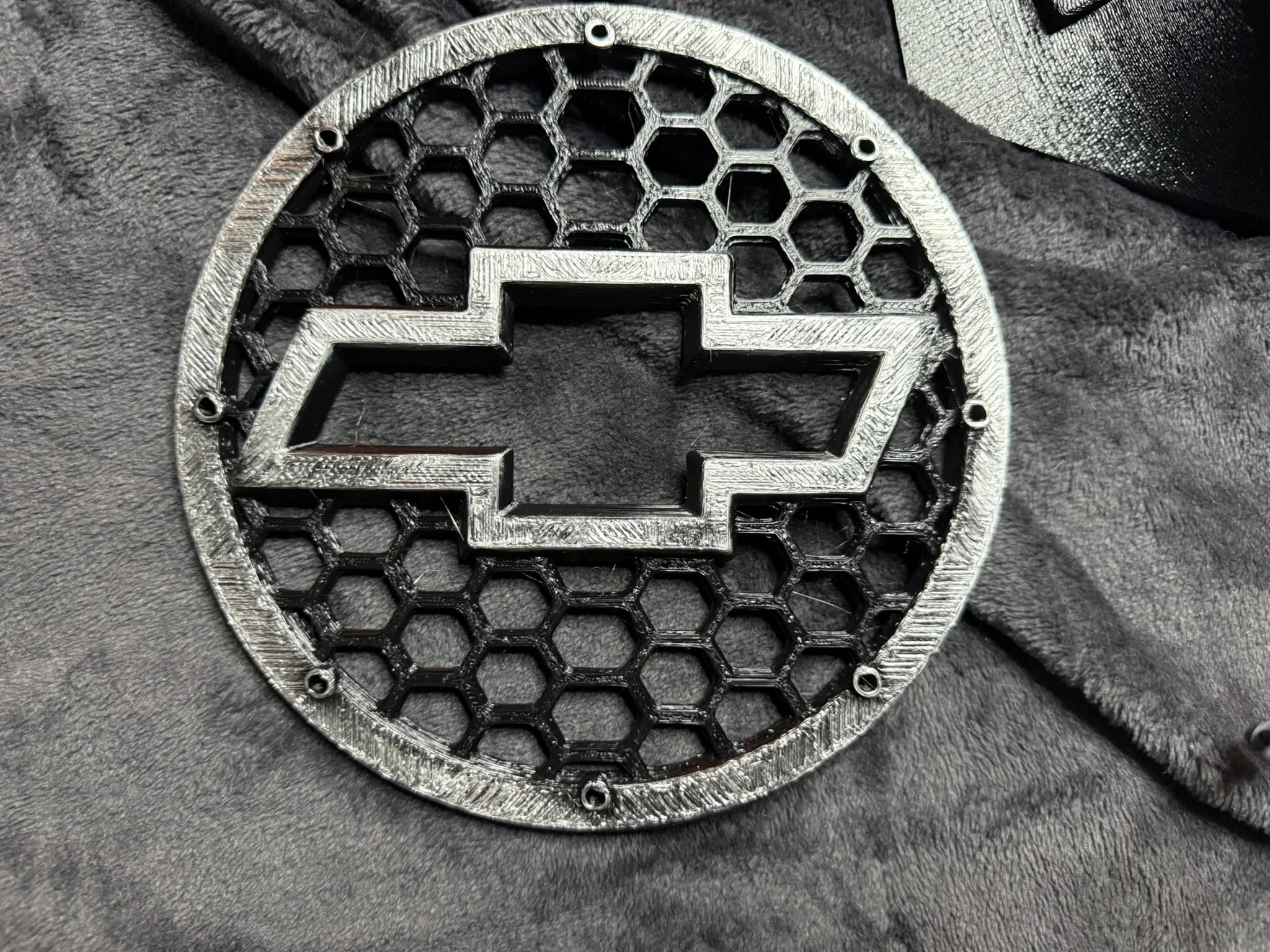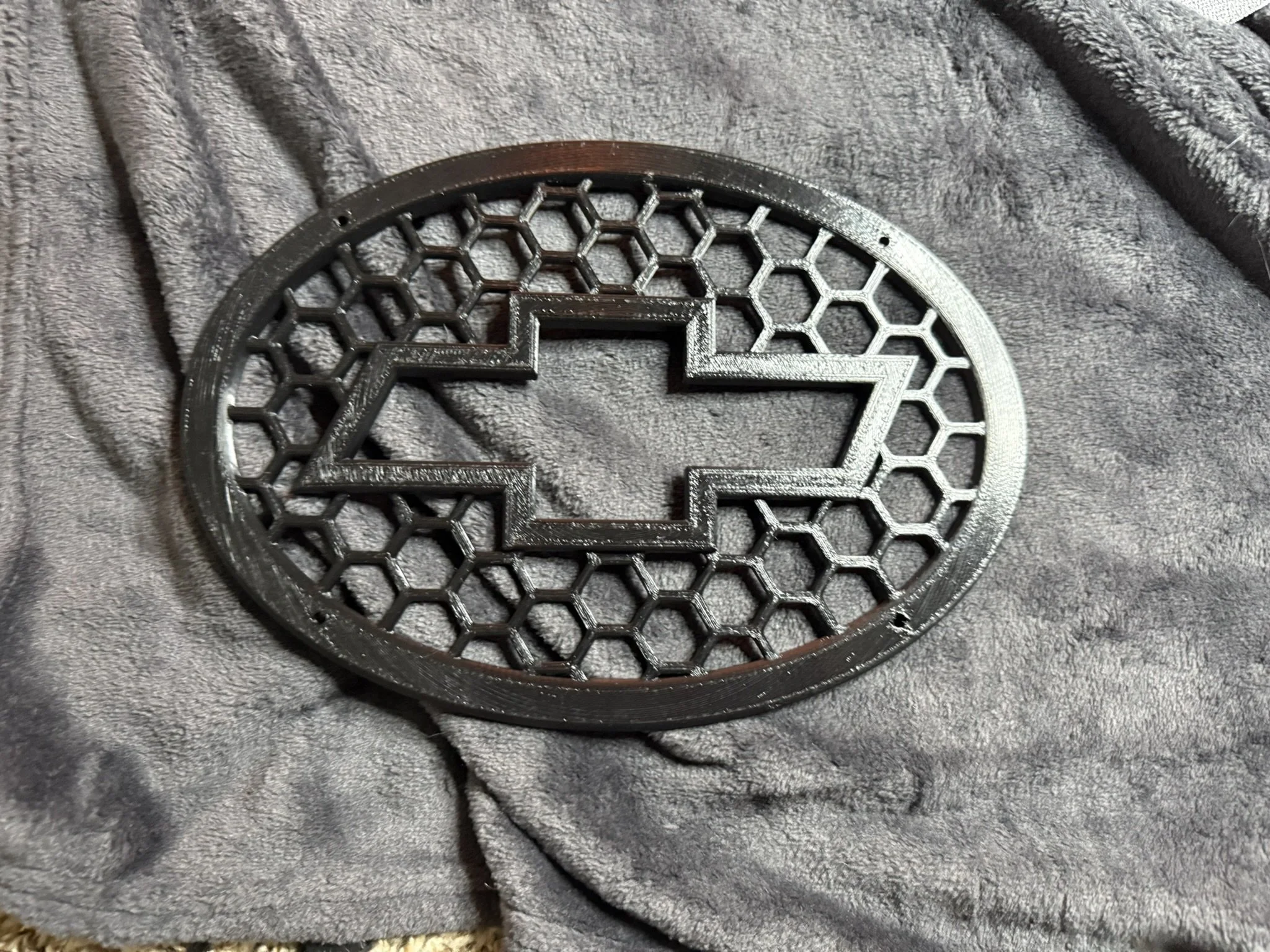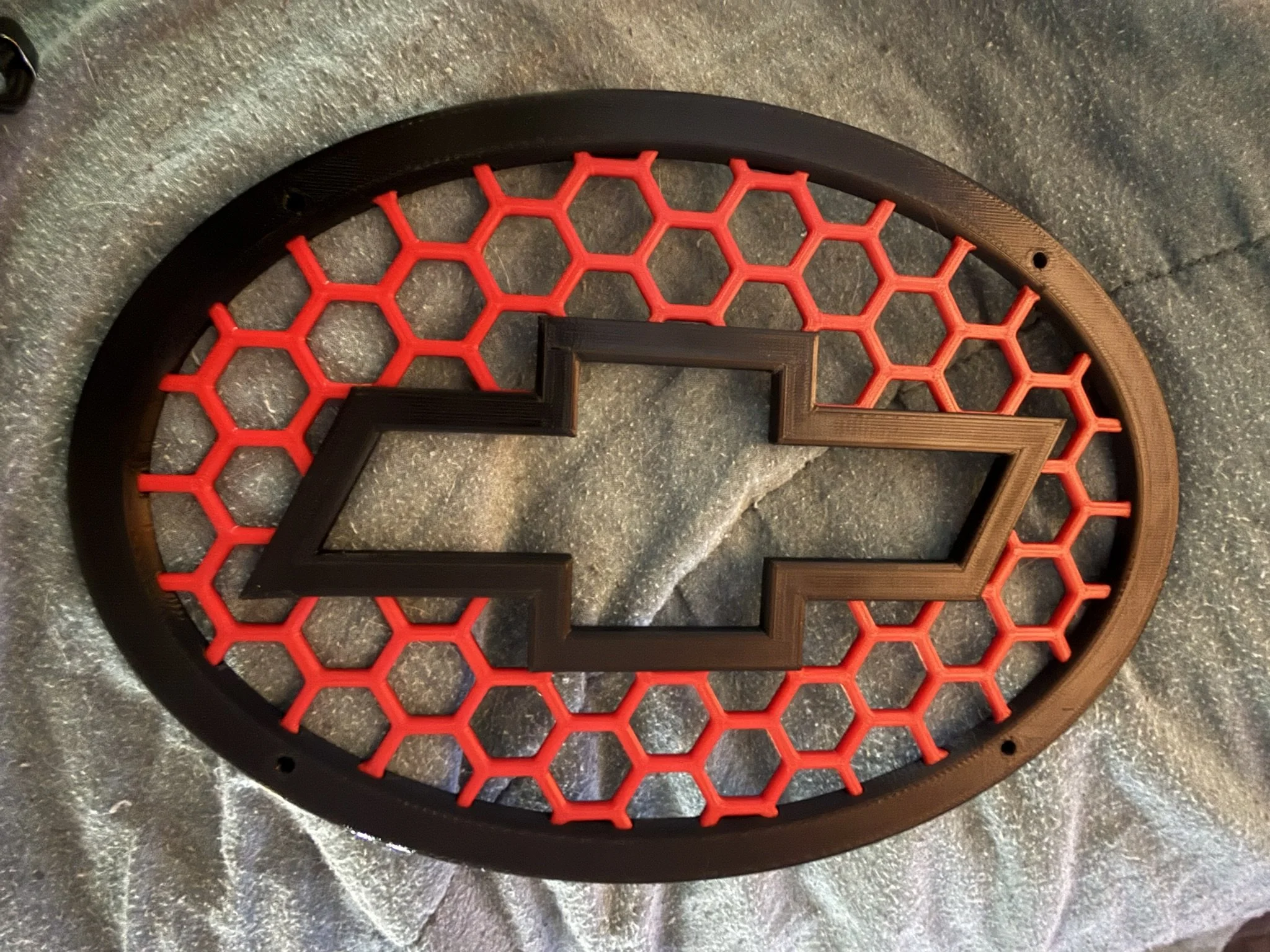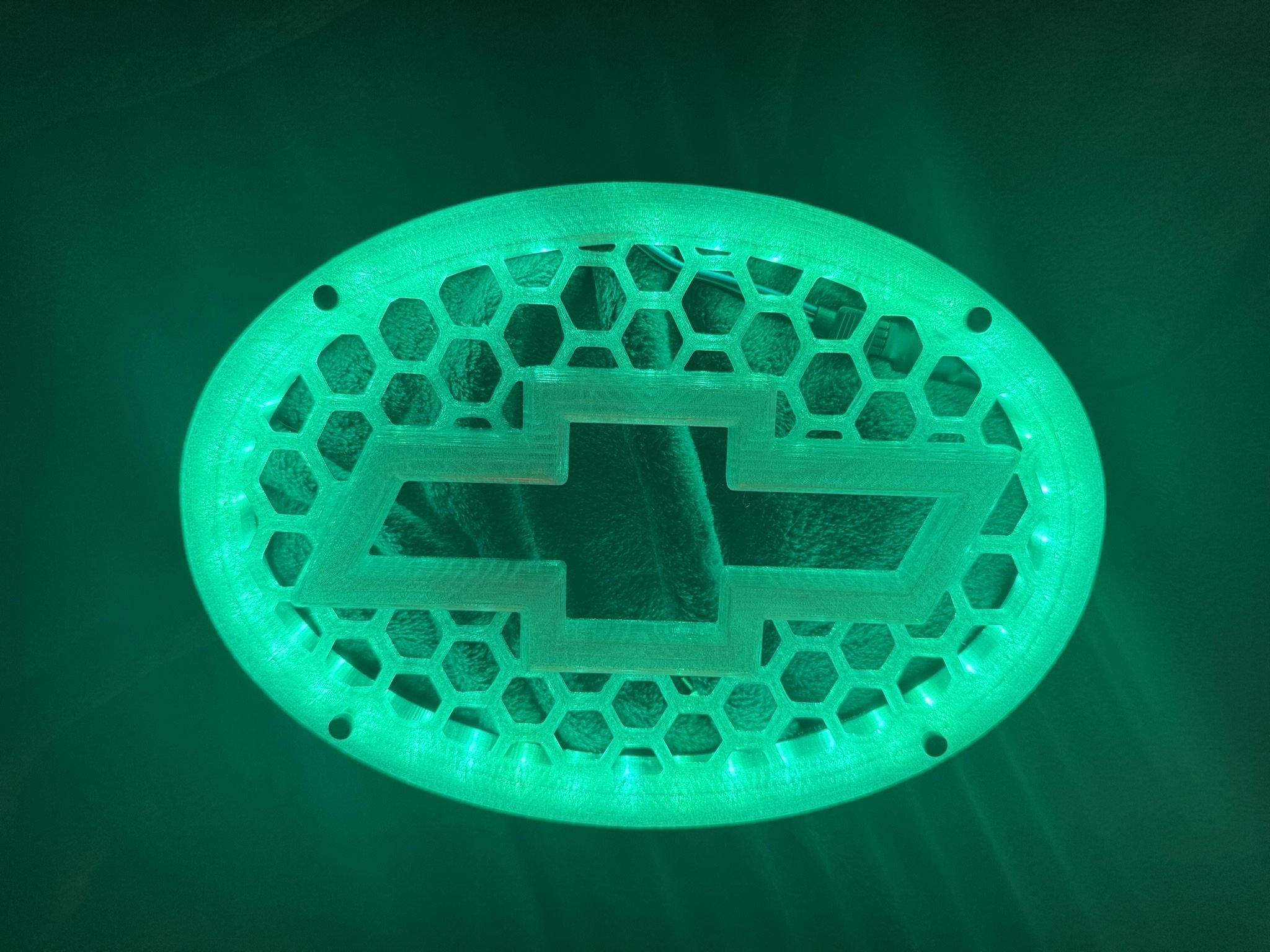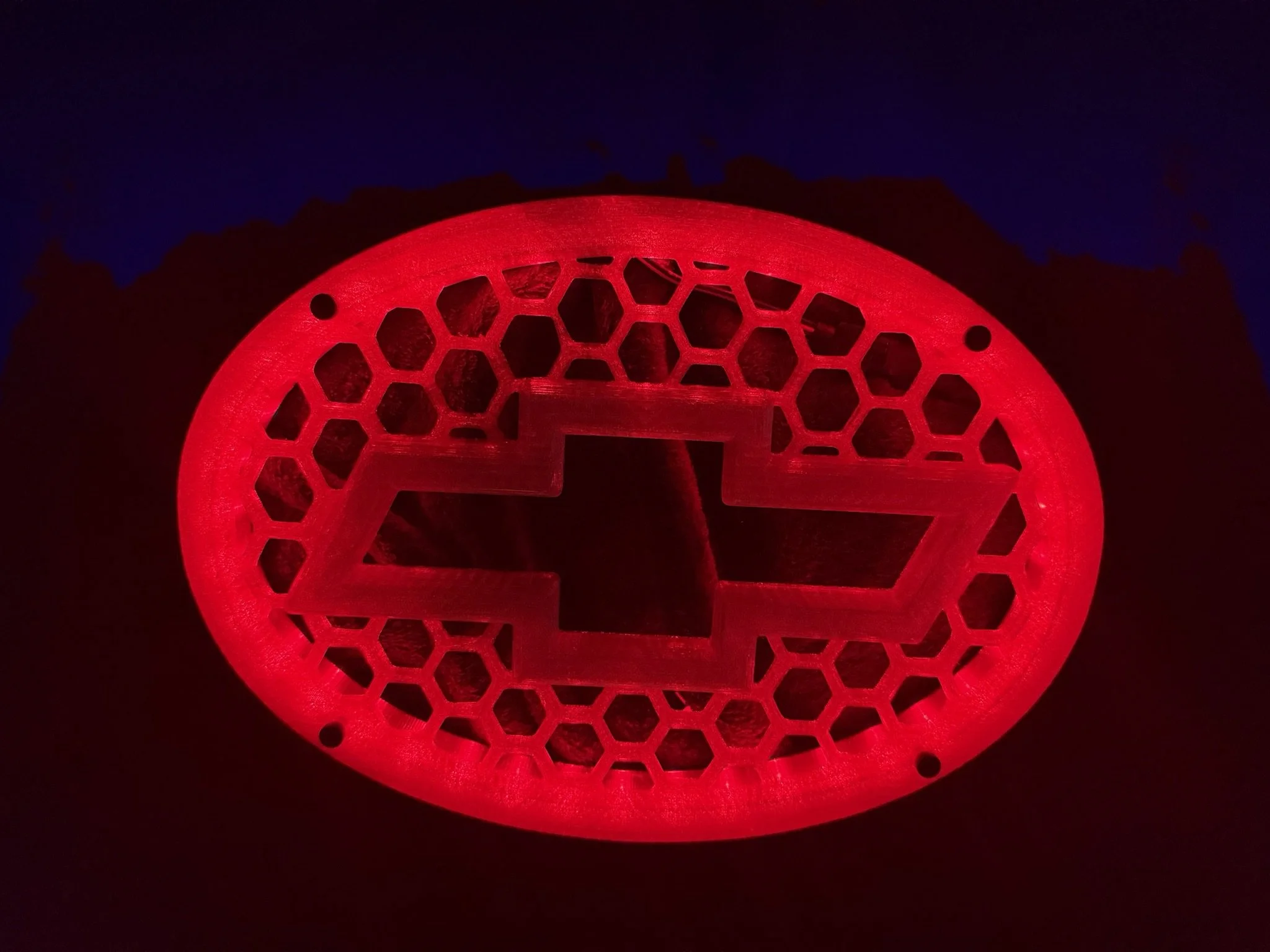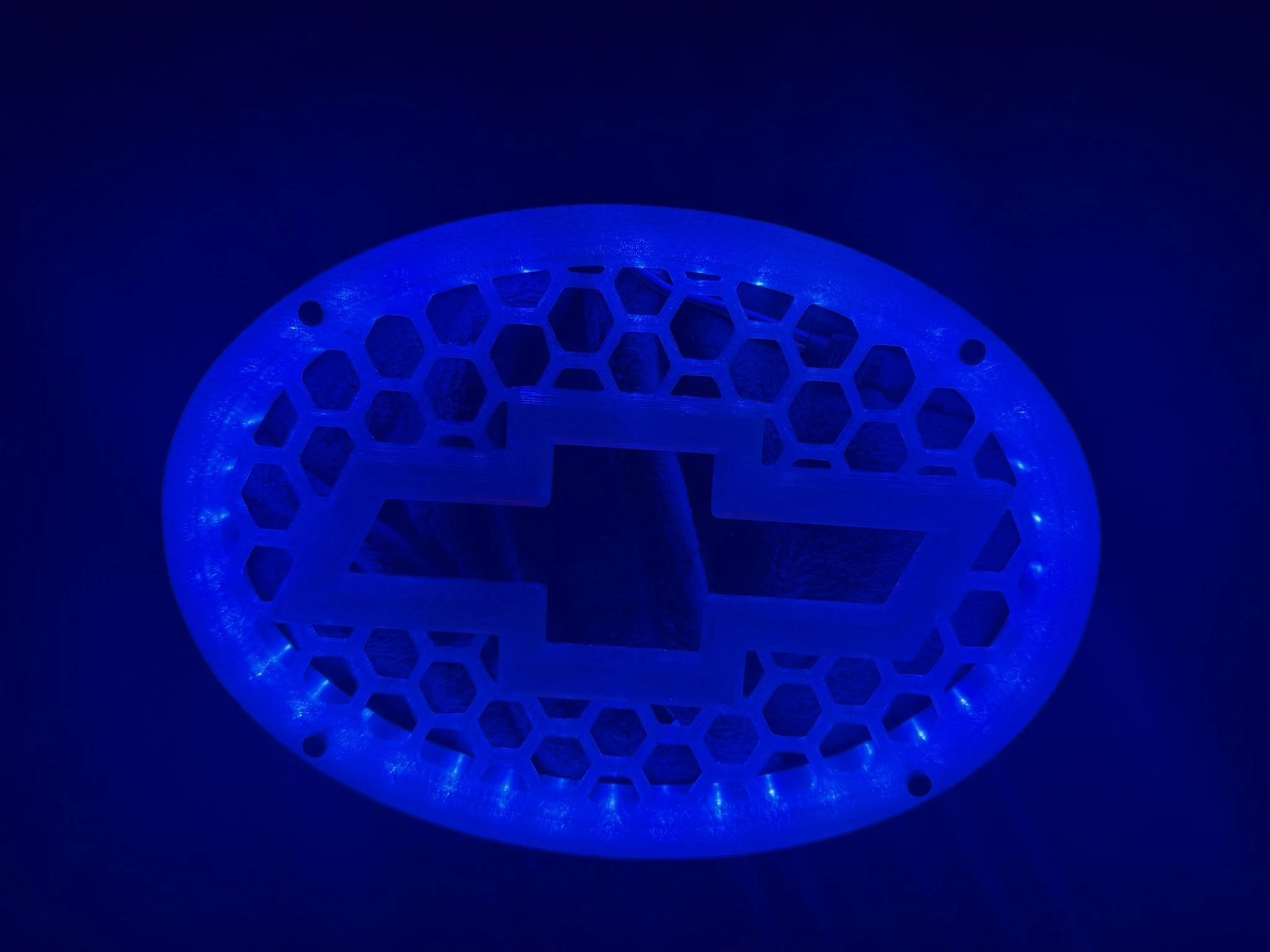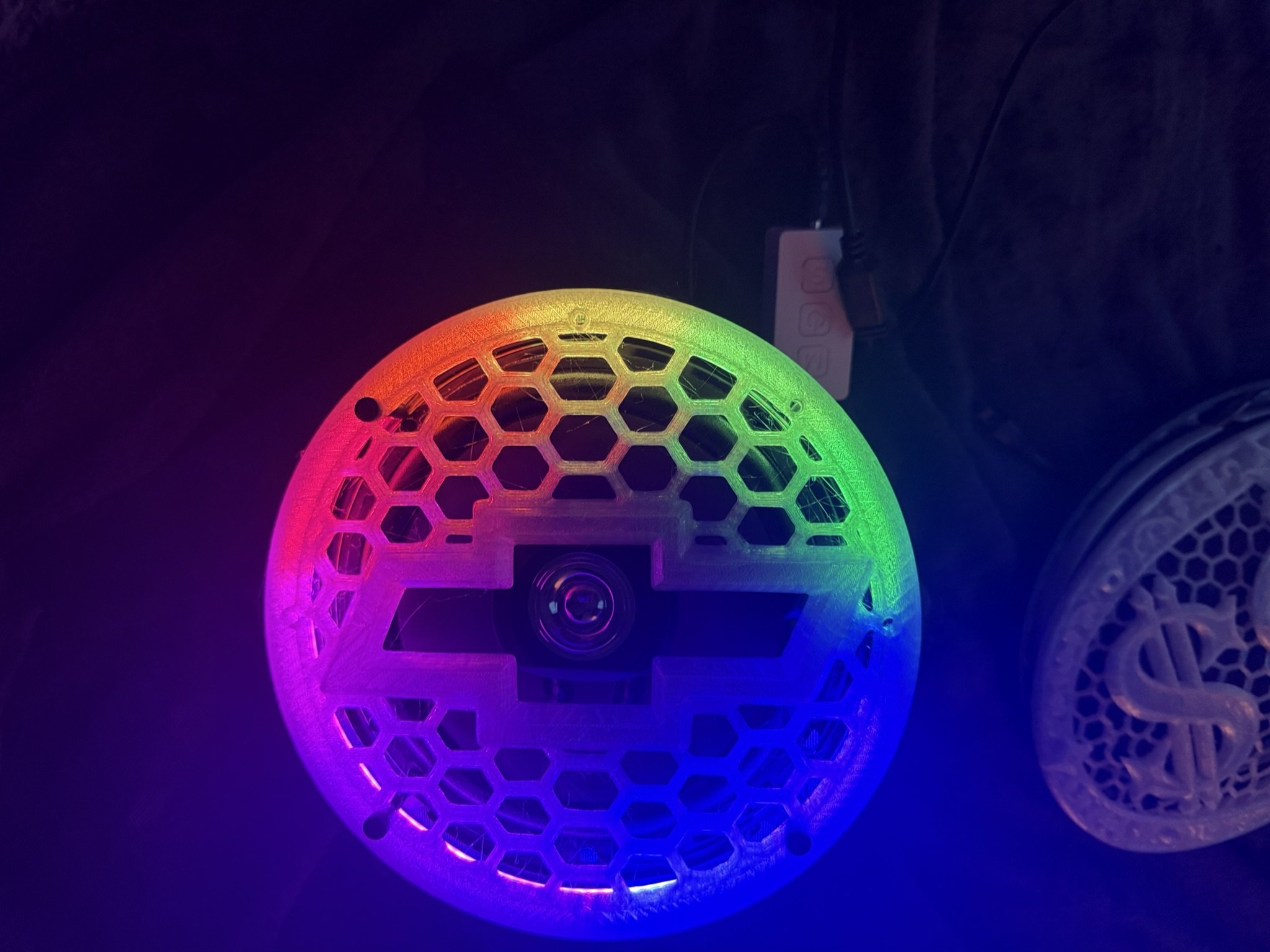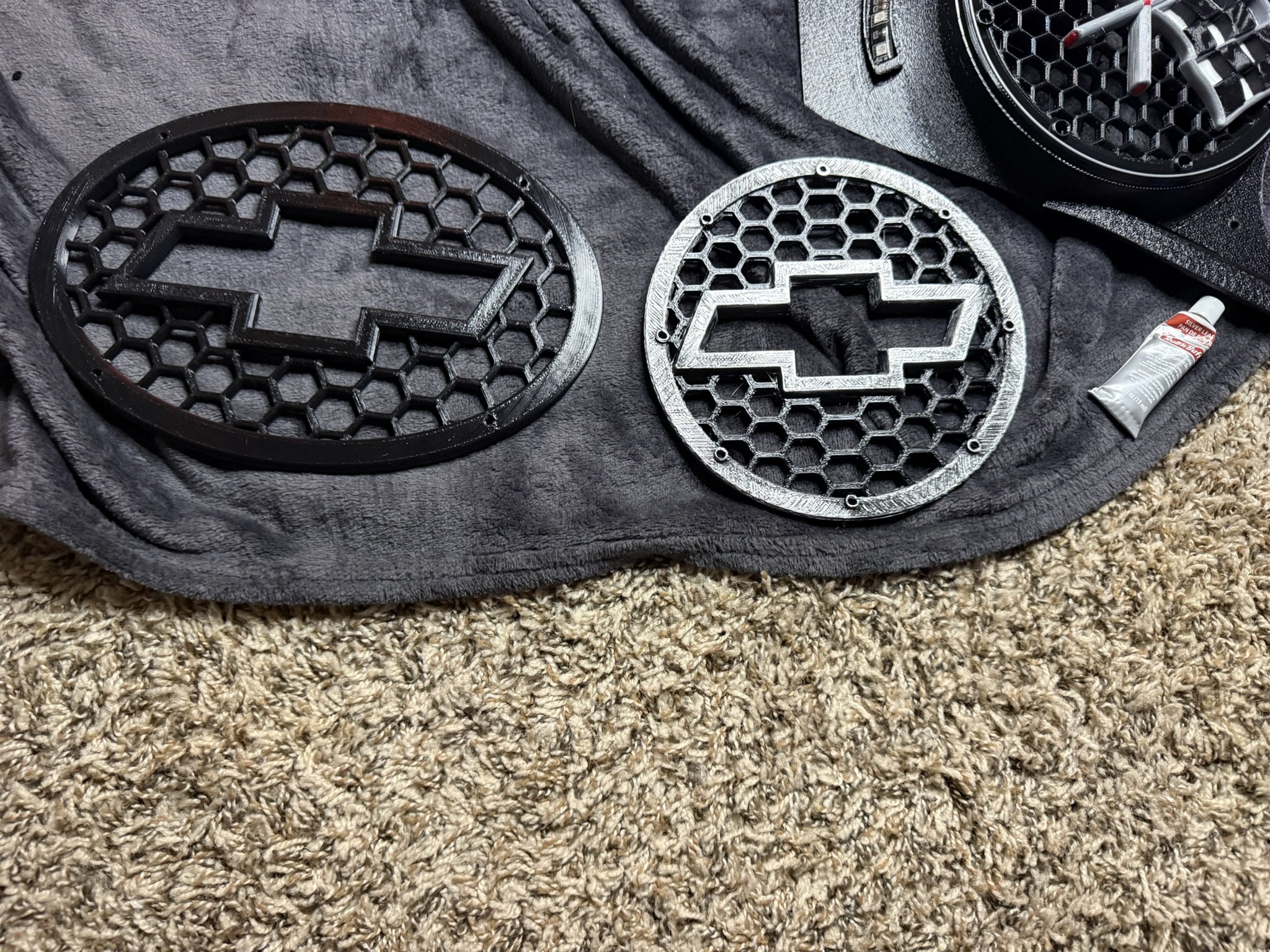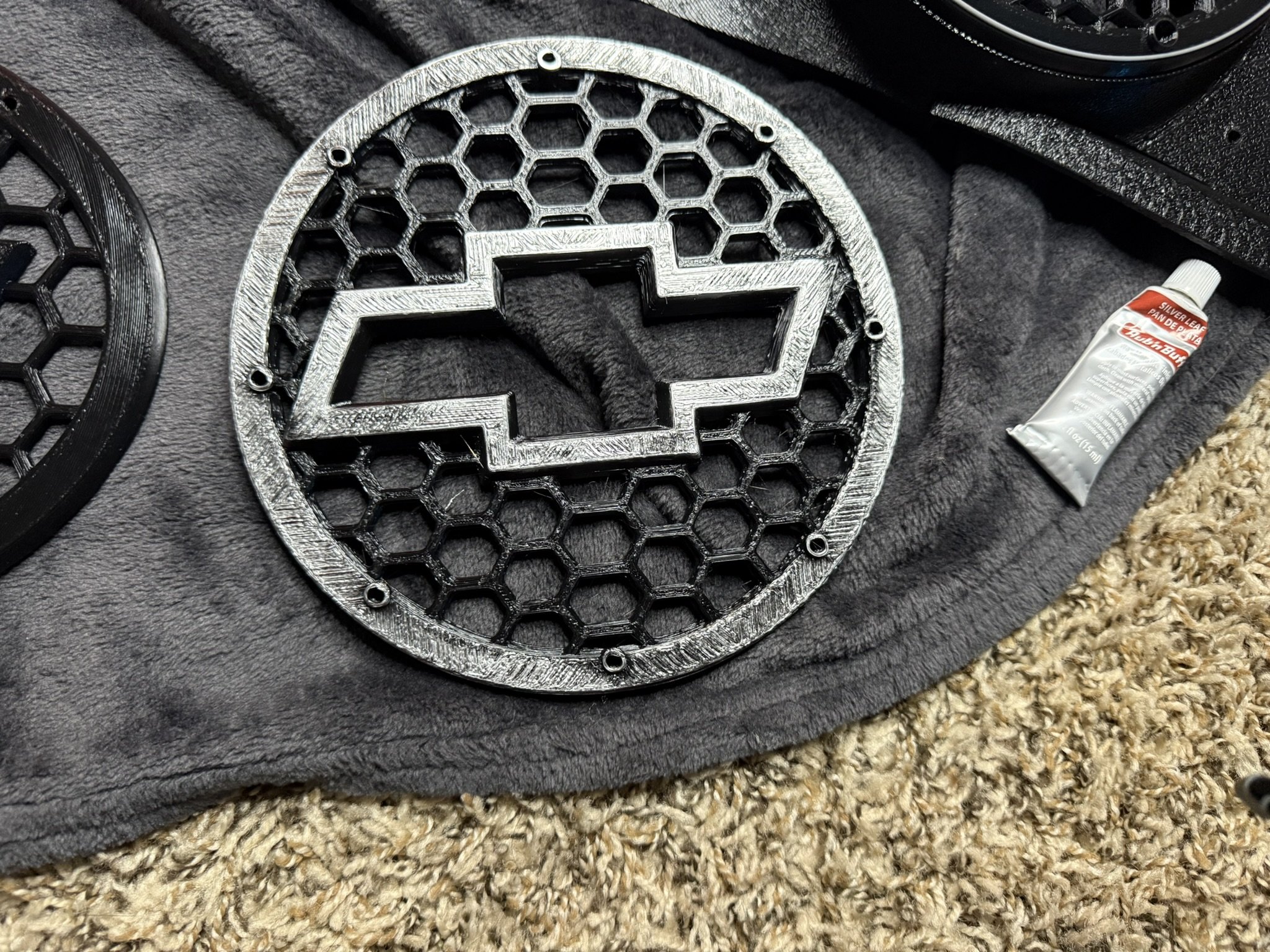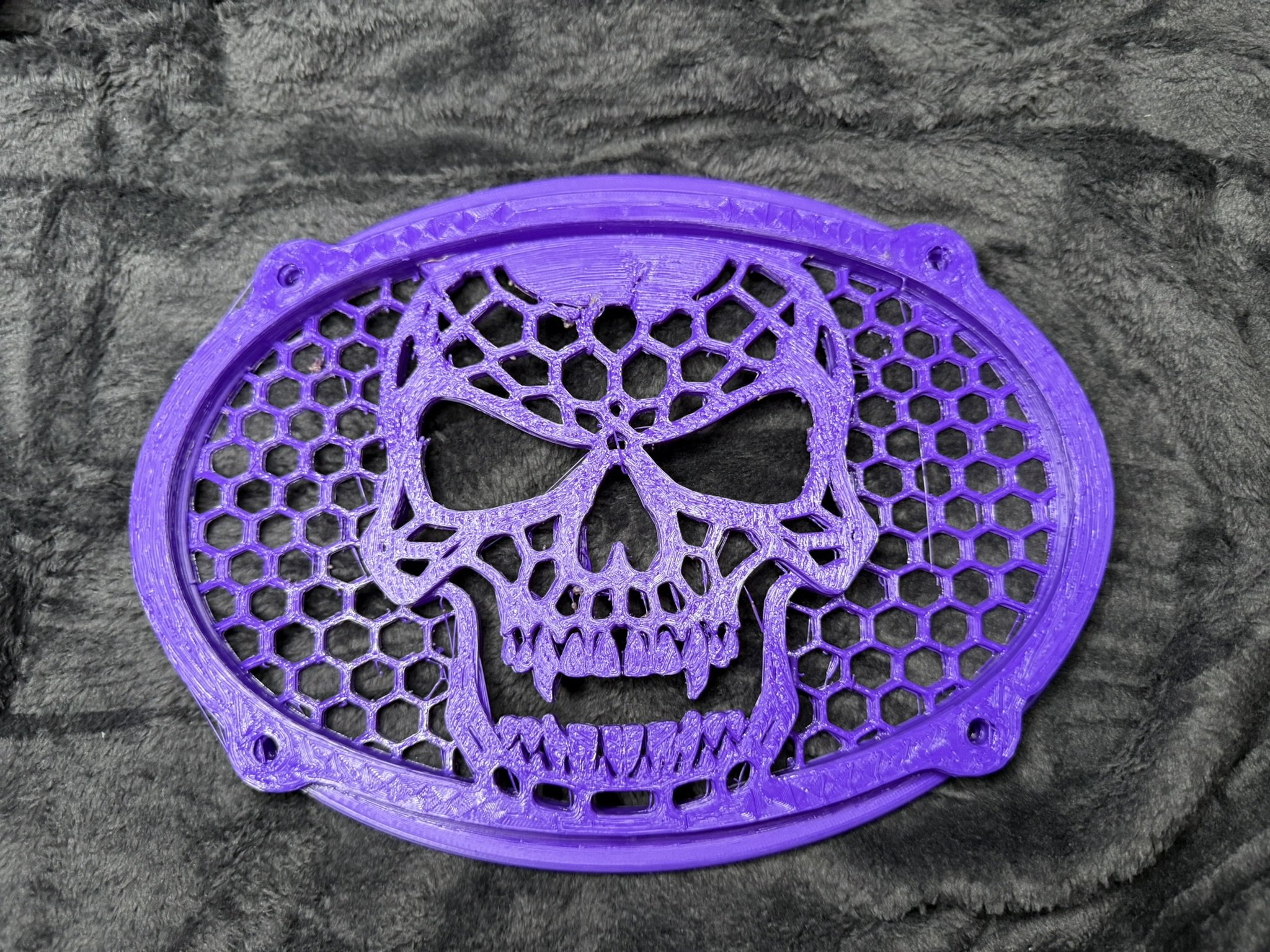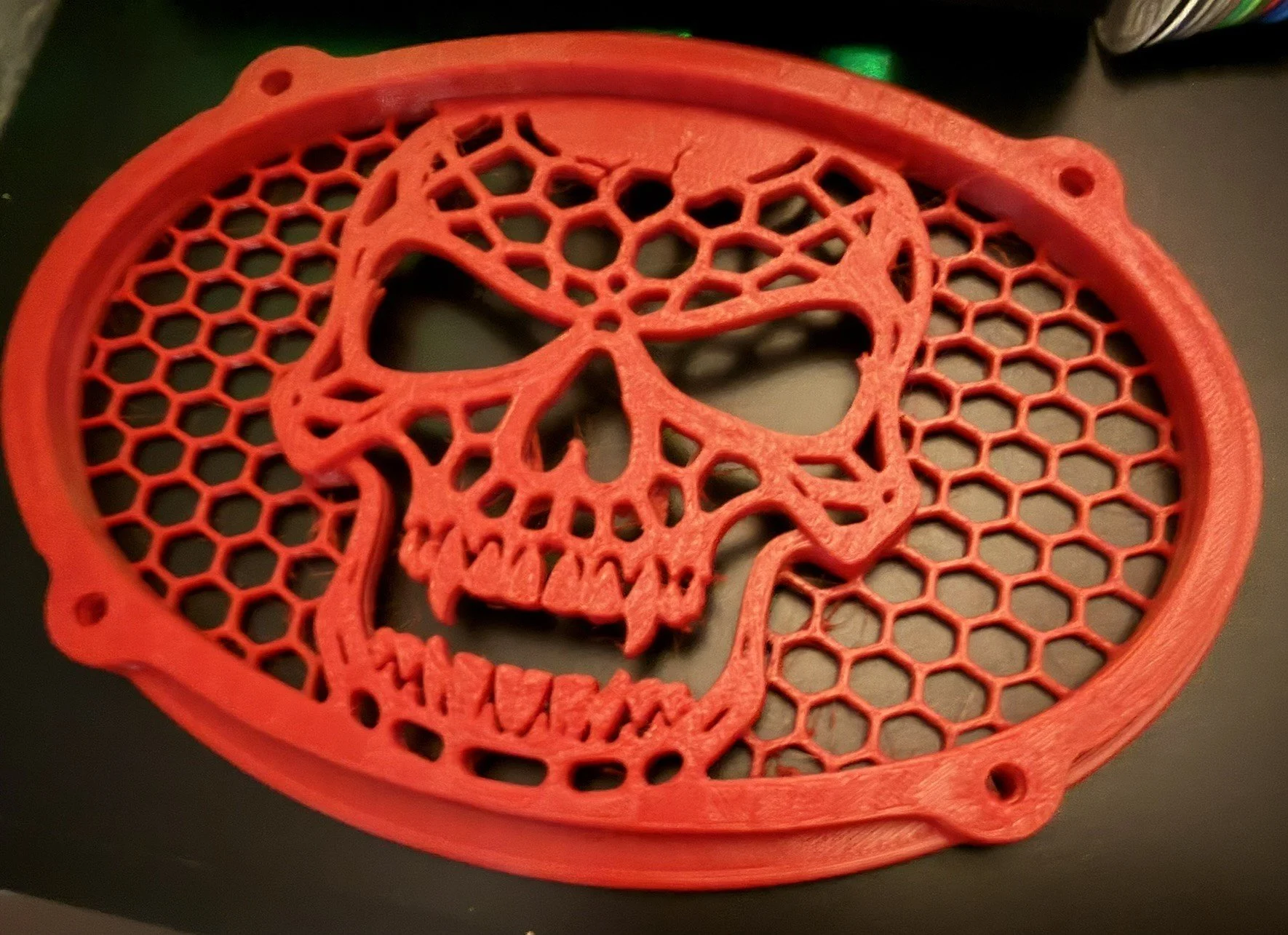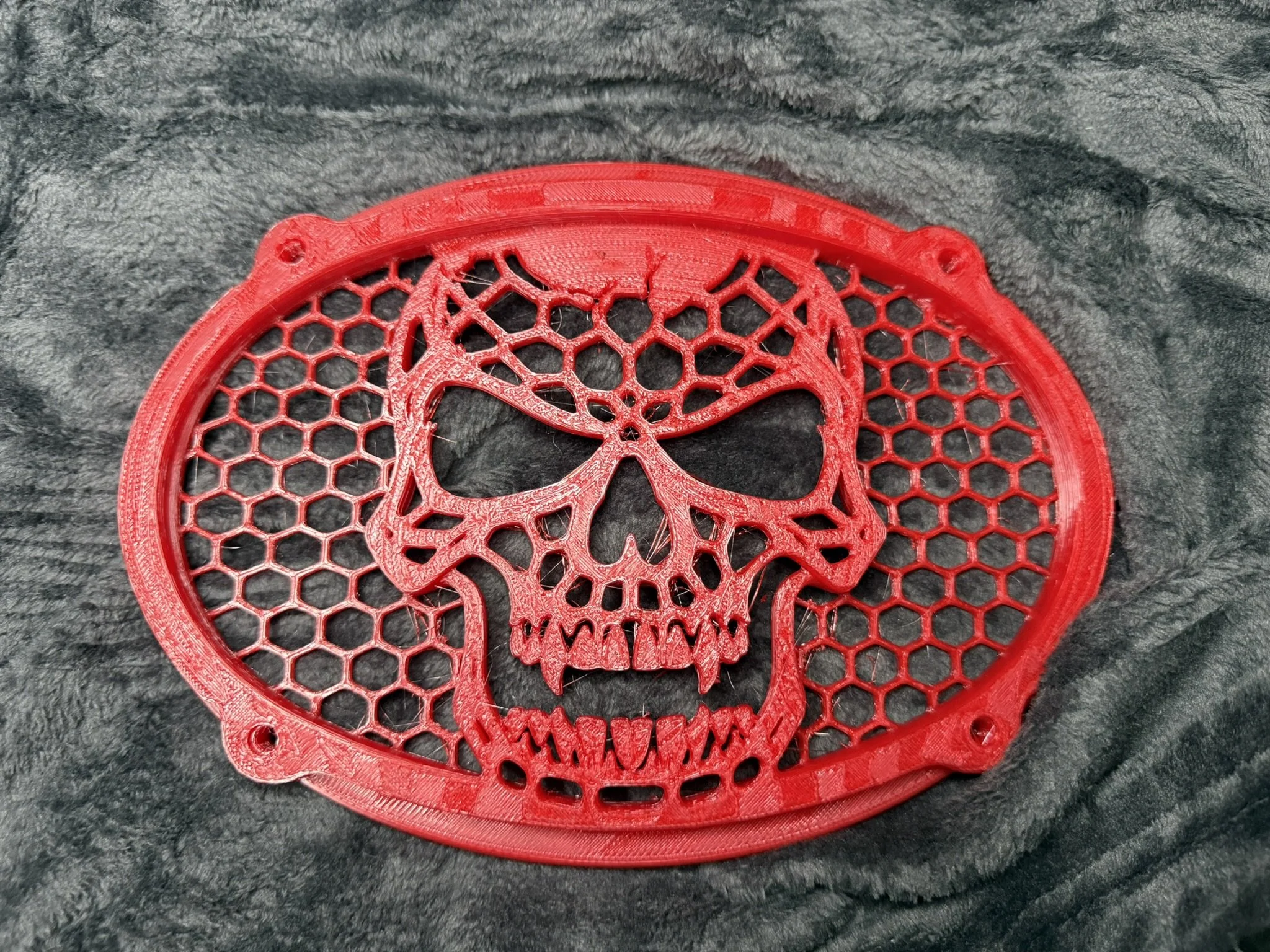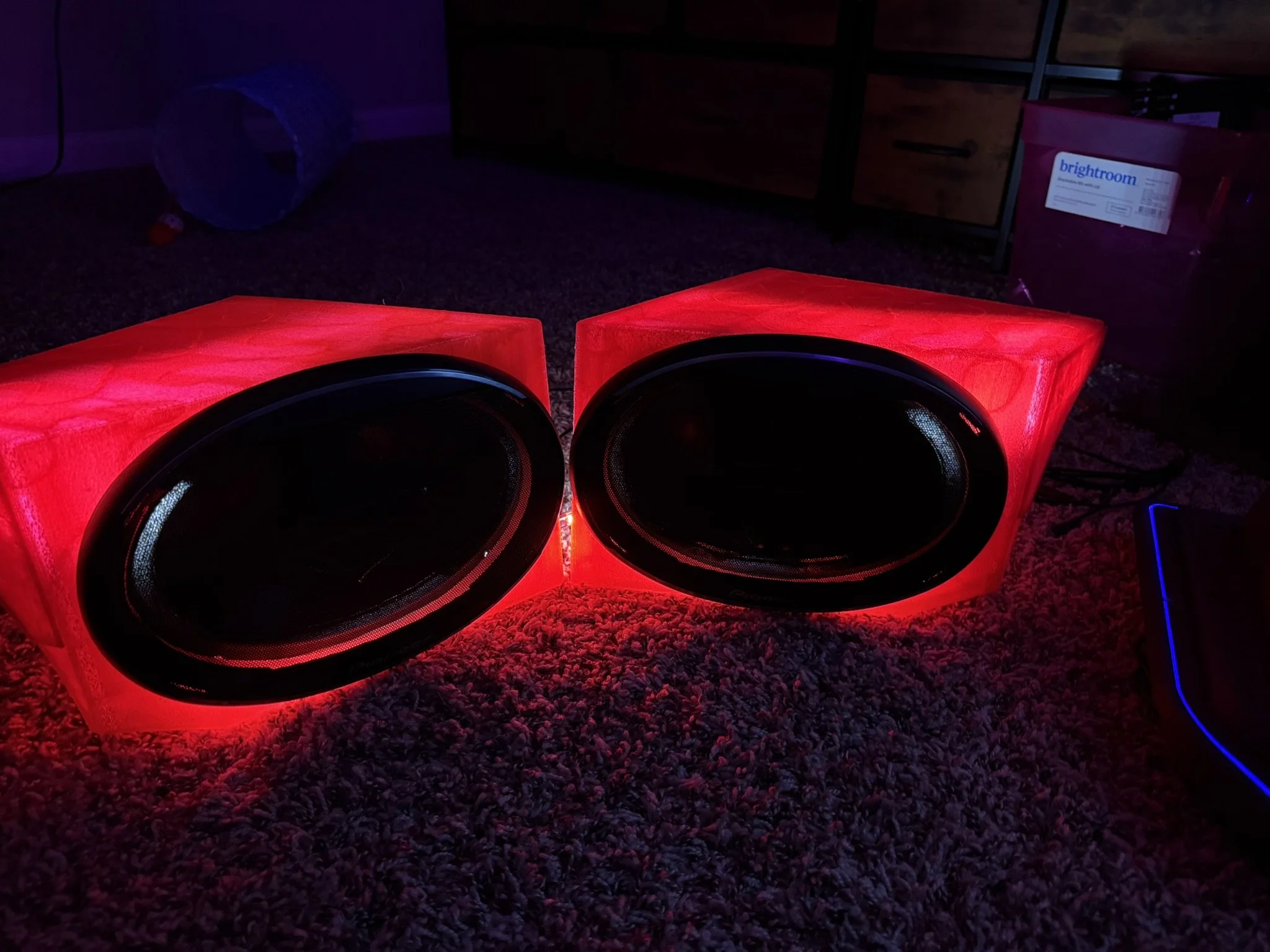
These are the Demon Speakers — a pair of red-glowing 6×9 rear speakers exclusively made for the Corvette C3. Designed to call to you in your dreams, these aren’t for everyone — punks driving other cars will just have to imagine them. This one-of-a-kind set includes pre-installed Pioneer A-Series 6×9 speakers, fully mounted and ready to go, along with all required mounting hardware. Each enclosure features integrated LED lighting, pre-wired with six 3-LED light sources per speaker to deliver an even, all-over glow with no dead spots. This is the first set of its kind in the world, blending aggressive style, engineered structure, and modern audio into a single statement piece. $400 for the complete set, plus shipping.
C3 Corvette Tuck-Away Rear Speaker Boxes (1968–1982)
Rear Speaker Enclosures — Not Subwoofer Boxes
If you’ve ever tried to upgrade the rear speakers in a C3 Corvette, you already know the problem.
The factory rear speaker locations were designed around extremely shallow, low-power speakers. Modern 6×9 speakers are deeper, heavier, and require proper enclosure geometry to sound right and stay mounted long-term. That mismatch is why so many factory-style and aftermarket solutions end up loose, poorly positioned, rattling, or literally falling out.
These rear hatch speaker boxes were designed to solve that problem correctly — from the enclosure outward, not as an afterthought.
These are true enclosed speaker boxes, not faceplates, not cosmetic panels, and not hollow shells.
Designed for Modern Speakers — Not 1970s Hardware
Most original and reproduction “6×9” solutions were never built for real full-size speakers. They relied on smaller drivers mounted to plates to fake the size while avoiding depth.
These enclosures are designed around modern, full-depth 6×9 speakers, with proper support, air volume, and mounting depth — so the speakers install securely, perform correctly, and stay put.
Each speaker is housed in its own independently sealed chamber, which is critical for:
Preventing back-pressure damage
Maintaining clean mid-bass response
Eliminating cross-interference between speakers
Long-term acoustic stability
No shared airspace. No compromises.
Optimized Tuck-Away Geometry — Built for Real Clearance
Rather than forcing a strict textbook 45-degree angle, these enclosures were designed with maximum tuck-away clearance as the priority.
The geometry intentionally pushes the boxes deeper into the hatch area, preserving valuable rear storage space — especially important for T-top storage, where clearance actually matters.
Many competing designs focus on achieving a perfect angle at the expense of usability. These do the opposite. The profile is optimized to sit deeper and tighter in the hatch, providing more clearance than most angled alternatives while still maintaining proper enclosure volume and speaker performance.
The result is a cleaner fit that doesn’t compromise how the car is actually used.
Key dimensions:
Maximum height: 9 inches (228.6 mm)
Depth: 9 inches (228.6 mm)
Overall width: approximately 36–37 inches, depending on final fitment
Segmented Structural Design — Not a Hollow Shell
These enclosures use a segmented structural design, where each section is a rigid, load-bearing component that locks together to form a unified enclosure.
This approach:
Increases overall stiffness
Reduces panel resonance
Prevents flex under speaker load
Eliminates reliance on large, unsupported hollow cavities
Each segment is structurally independent, meaning strength and acoustic stability are built into the geometry itself — not dependent on thickness or added mass.
Advanced Additive Manufacturing — Not Hobby Prints
These are not thin-shell or decorative prints.
They are produced using advanced additive manufacturing techniques selected specifically for acoustic and structural performance:
0.8 mm nozzle
Intentional over-extrusion
Ultra-low infill (~2.8%)
Resulting in dual walls approximately 1.4 mm thick each
Once fully printed and sealed, the structure becomes extremely rigid.
This method creates:
Lightweight but highly impact-resistant enclosures
Internal geometry that resists flex and vibration
Strength comparable to — and often exceeding — MDF
This is material engineering through toolpath control, not plastic boxes.
Acoustic Engineering by Design — Not Guesswork
The enclosure geometry is informed by years of experience in acoustics, waveform behavior, and sound engineering, combined with a Master’s degree in Architecture.
That combination allows for:
Triangulated structural geometry
Vibration-resistant enclosure design
Acoustically stable speaker chambers
Internal forms that MDF and flat panels simply cannot replicate
Flat panels rely on mass.
These enclosures rely on geometry.
Why This Beats MDF & Fiberglass
Traditional MDF enclosures are:
Heavy
Moisture-sensitive
Prone to warping and swelling
Dependent on mass instead of structure
Fiberglass often introduces:
Inconsistent thickness
Resonance issues
Long-term brittleness
These enclosures:
Do not warp or swell
Resist panel resonance
Maintain acoustic integrity over time
Deliver cleaner sound and tighter response
The era of MDF-only audio fabrication is ending.
Installation — Designed to Mount Cleanly
Installation is designed to be secure, clean, and reversible, using factory mounting points wherever possible.
Installation Overview
Mount the bracket plate
The supplied mounting plate bolts directly to factory frame locations using existing screw holes.Position the empty enclosure
Set the enclosure in place on the mounting plate.Mark and drill pilot holes
Align the enclosure, mark the mounting points, and drill pilot holes.Speaker mounting options
Speakers may be mounted:On the face of the enclosure, or
Inside the enclosure
Internal speaker mounting (if used)
The front cap snaps off to provide access.
Mount the speaker inside the enclosure.
Fasten the enclosure to the mounting plate using the access openings beneath the cap.
Snap the front cap back into place for a clean, finished edge.
This system allows the enclosure to mount securely without visible fasteners while still providing full access during installation.
Speaker & Grille Compatibility
Designed to work with the standard grilles included with most 6×9 speakers — no proprietary or hard-to-replace grilles required.
Both internal and external speaker mounting configurations are fully supported.
Customization & Visual Options
35 solid color options
4 translucent color options
(Translucent versions are the same price and do not include LEDs)Covered version available in 9 fabric colors
Optional integrated LED lighting
Optional custom grilles and accessory add-ons
Clean, modern aesthetics that complement interiors rather than clash with them — far more adaptable than carbon fiber faceplates or molded panels.
Built Solid — Not Thin Shells
Each enclosure is a structural build, using nearly a full roll of filament per box. These are designed for durability, stability, and long-term reliability — not minimum material usage.
Pricing
Standard (Uncovered): $200
Covered Version: $240
(Comparable black-only options routinely sell for $300+ when they’re even available.)
Ordering Note
Due to the wide range of color and customization options, orders should be confirmed directly before checkout to ensure correct color selection and finish.
📩 Contact: kenbessmer@yahoo.com
You can also reach out via Facebook to confirm options before ordering.
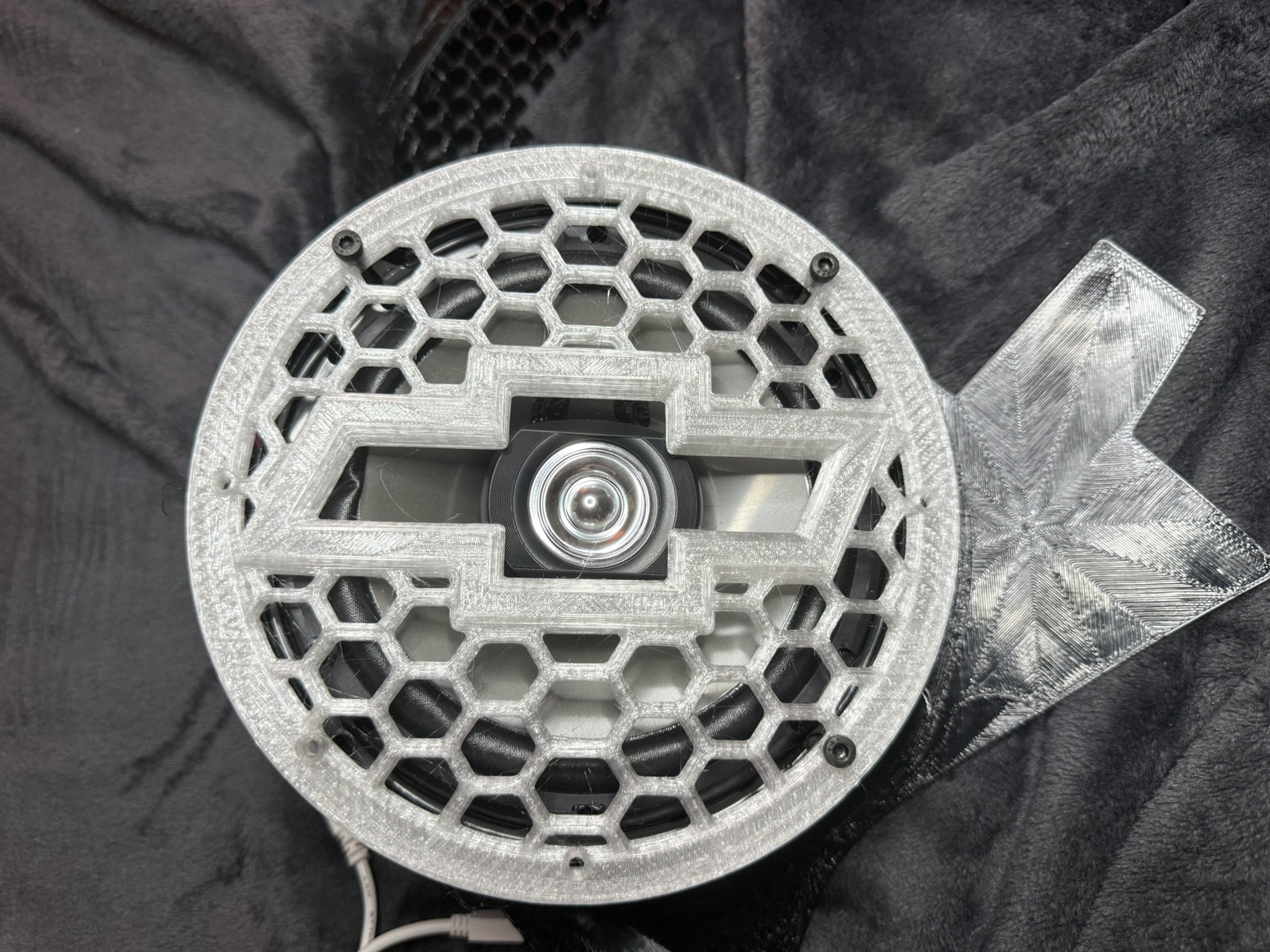
Be sure to check the page to see custom glowing effects and other C3-specific parts currently in development.
The Bottom Line
These rear hatch speaker boxes are:
Stronger
Lighter
More acoustically stable
More customizable
More affordable than traditional solutions
They’re designed by someone who understands C3 interiors, modern audio requirements, and structural acoustics — not just catalog fitment.
This is the future of classic car audio enclosures.